Same page. Literally.
Two tabs, one truth. Edits merge character-by-character through Yjs CRDTs over WebSocket — no locks, no conflicts, no “who saved last”.
Self-hosted · Real-time · AI-ready
CollabWiki is a structured wiki your whole team edits at the same time — live cursors, version history, review workflows and AI-safe APIs. Served by a single Go binary. No SaaS, no lock-in.
[ 01 ] Why CollabWiki
Wikis die when they get stale and chaotic. CollabWiki attacks both failure modes: real-time collaboration keeps people together, and structure keeps content findable, owned and fresh.
Two tabs, one truth. Edits merge character-by-character through Yjs CRDTs over WebSocket — no locks, no conflicts, no “who saved last”.
Spaces, nested pages, page types, taxonomy, tags, owners and review dates — every page knows what it is and when it was last checked.
Review dates drive freshness pills, owner nudges and a review queue. Your wiki stops rotting the week after launch.
Agents authenticate with bearer tokens, read and search the wiki, and submit proposed edits — humans approve every change in a review queue.
[ 02 ] Product
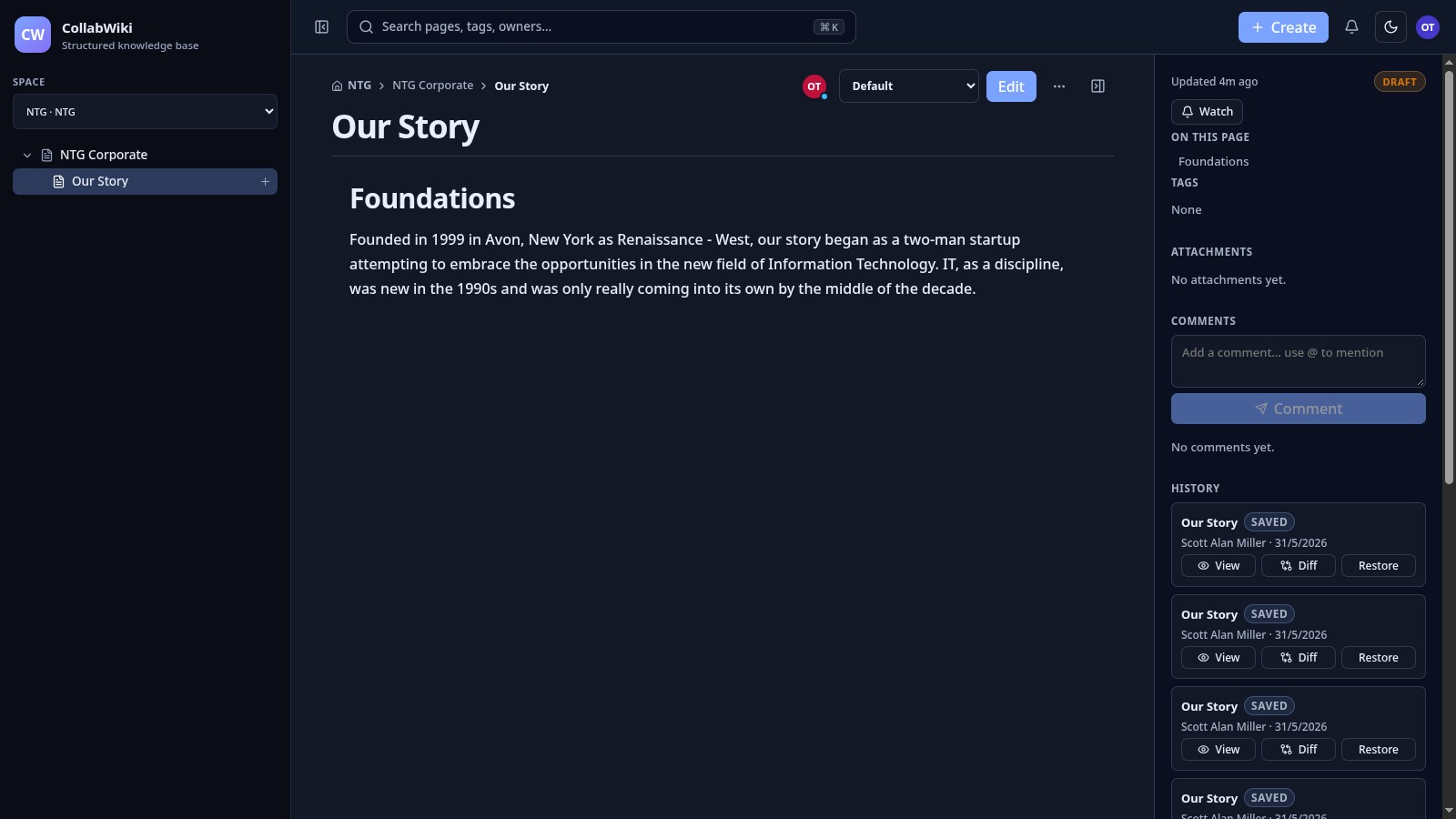
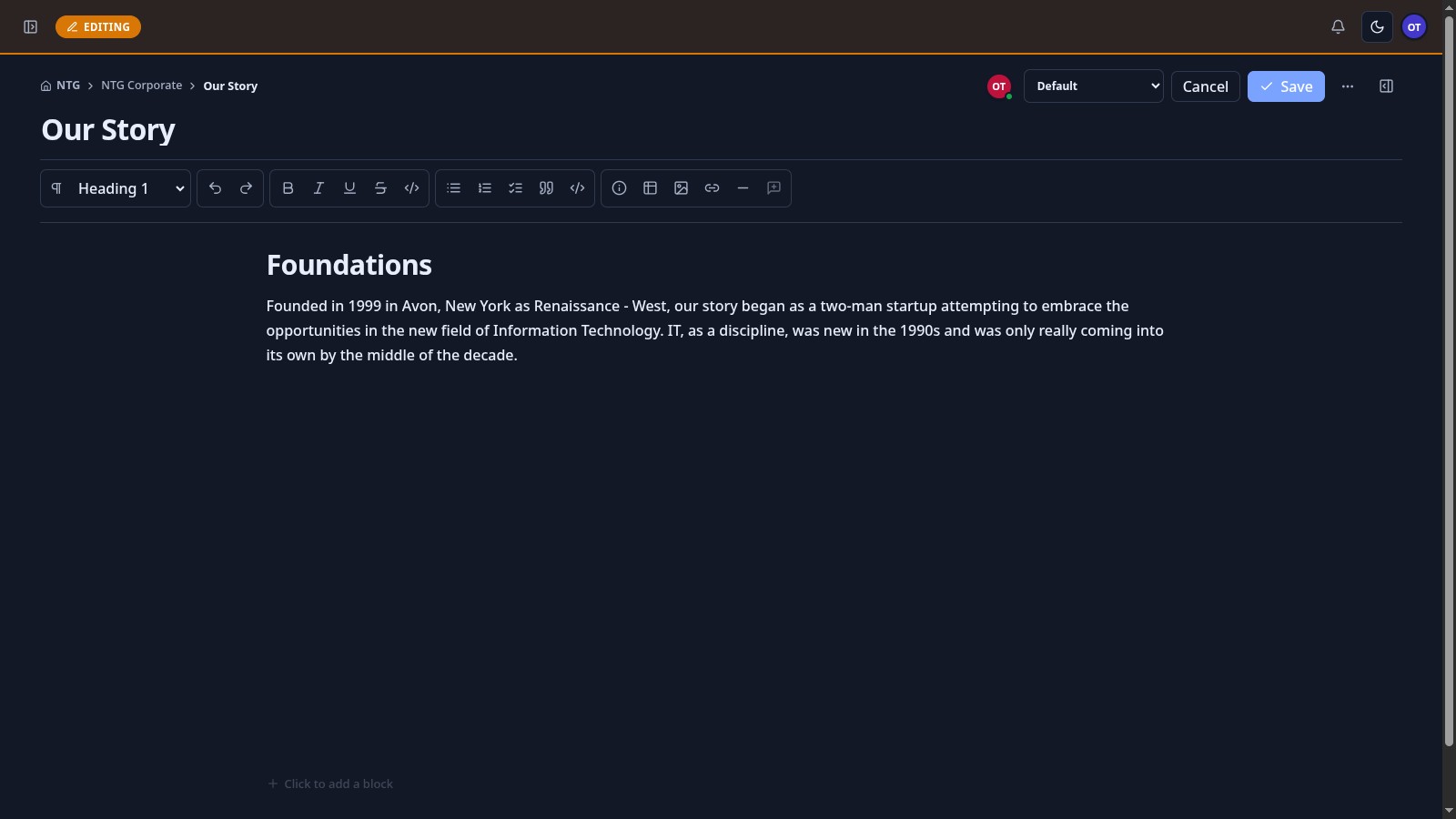
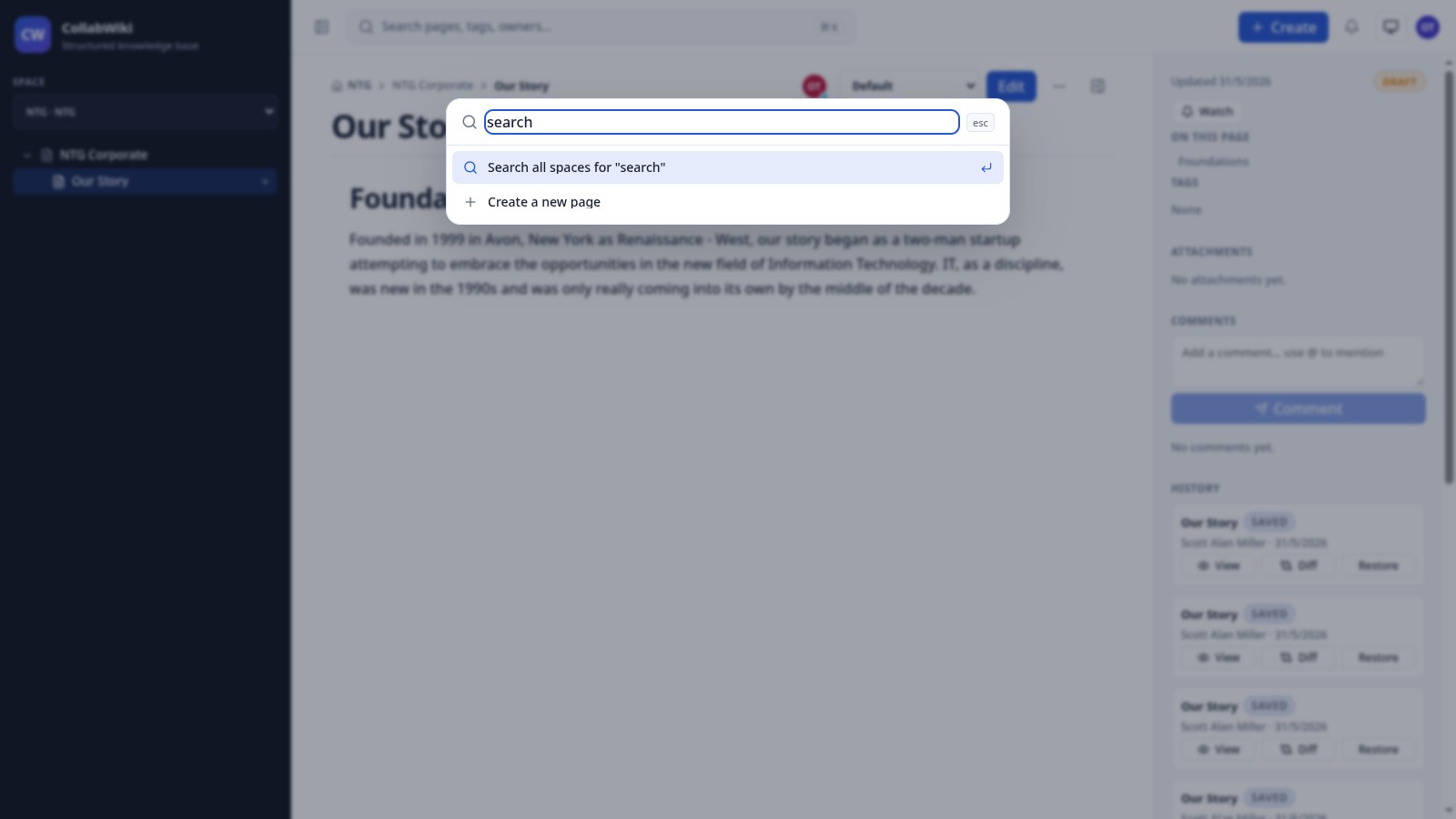
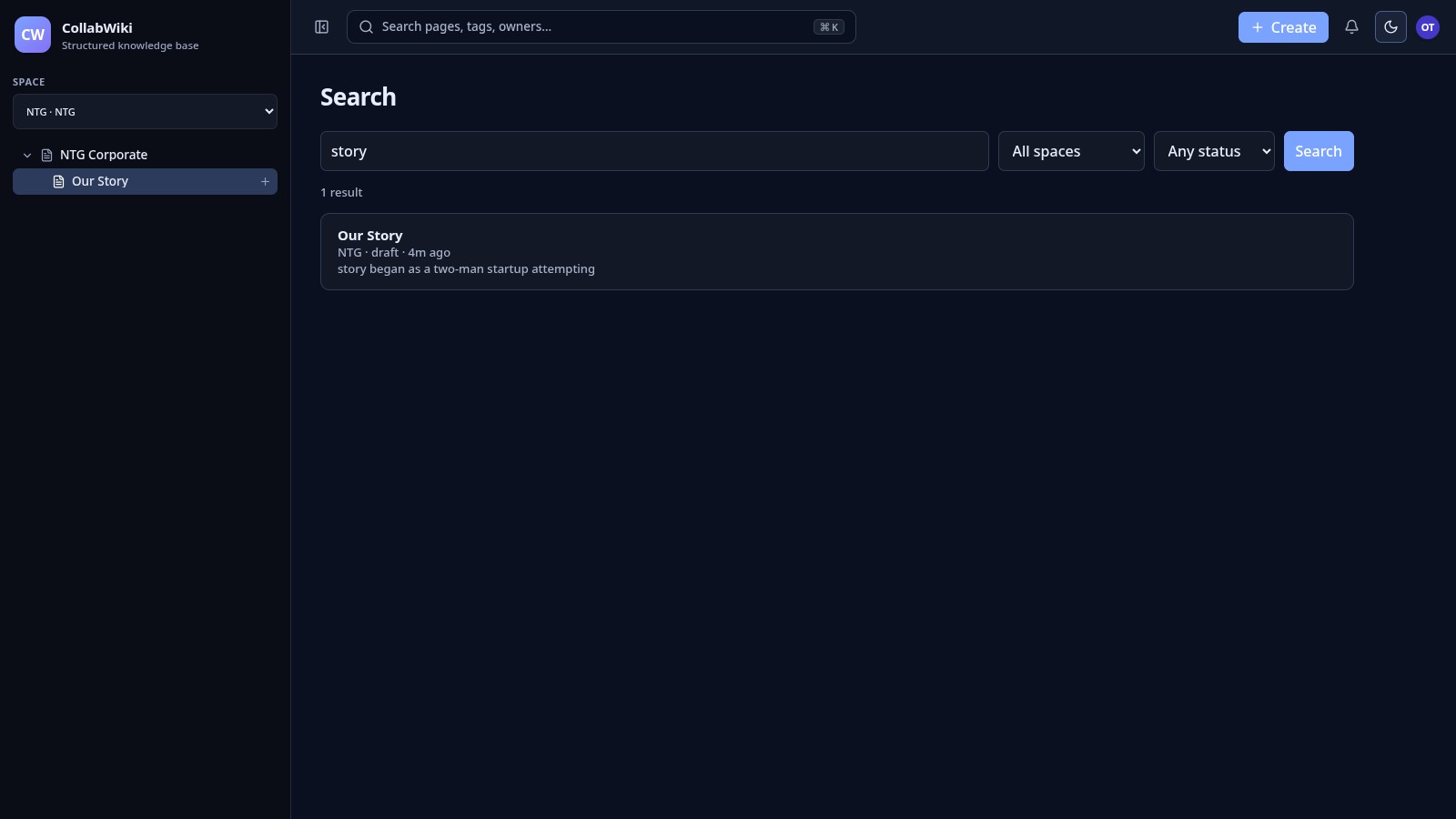
Everything below is a live capture of CollabWiki in dark mode — pages, live editor, command palette and full-text search.
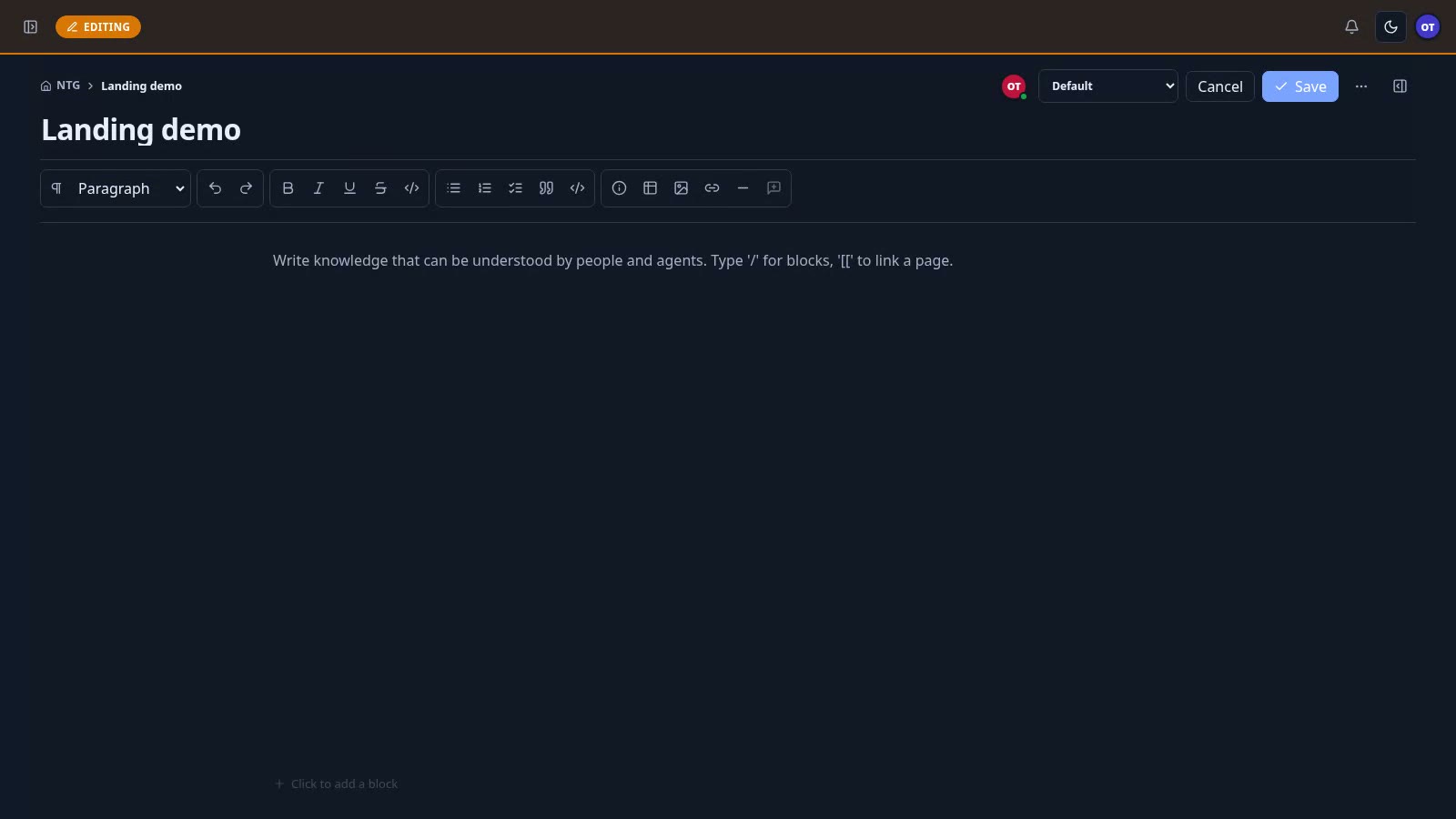 0:18 · real capture
A real, silent capture: creating a page, typing together, ⌘K palette and search — recorded live.
[ 03 ] AI & Agents
CollabWiki ships a REST API and a Model Context Protocol server built for automation. Agents read, search and propose — with write policies (direct / review) and audit logs for every action.
[ 04 ] Self-host
No orchestrators, no managed plans, no per-seat pricing. CollabWiki is one Go binary that serves the API, the WebSocket, and the frontend — backed by PostgreSQL.
$ go build -o collabwiki ./cmd/collabwiki
$ ./collabwiki migrate && ./collabwiki
→ serving API + frontend on :8080
[ go ] Launch
Point it at Postgres, connect your OIDC provider, and start writing together in minutes.